

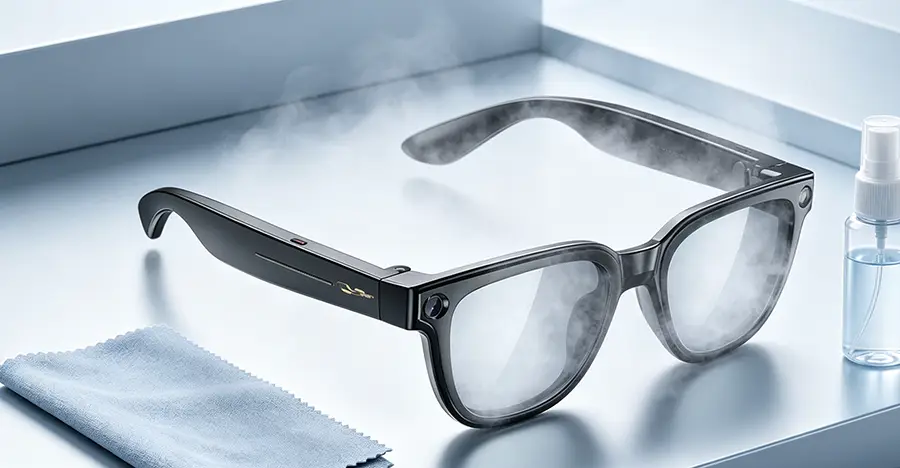
Why Does My Smart Glasses Keep Fogging Up? Fixes for Daily Use
SpeCiC-AI-Smart-Glasses2026-04-12T10:52:26+08:00Why Does My Smart Glasses Keep Fogging Up? Fixes for Daily Use
Let me paint you a picture. You just dropped $239 on a pair of innovative smart glasses—Ray-Ban Meta, Google Glass Enterprise, SpeCiC AI Glasses, or whatever the latest tech trend is. You’re feeling like a character straight out of Minority Report, ready to snap photos hands-free, answer calls without digging through your bag, and look effortlessly cool while doing it. Then it happens. You step from the crisp autumn air into a warm coffee shop, and poof. Your vision turns into a complete whiteout. You’re standing there, blinking like a confused owl, swiping at the lenses with your jacket sleeve (which we all know just smears grease around and makes it worse), while the barista stares at you wondering if you’re having a medical emergency.
Sound familiar? If you own smart glasses, you’ve definitely been there. Fogging isn’t just a minor annoyance—it’s the single biggest flaw in wearable eyewear technology, capable of turning your $239 investment into a useless plastic brick in 2 seconds flat. Imagine trying to capture your kid’s first steps only to realize your lenses were fogged the whole time. Or trying to navigate a busy downtown street with turn-by-turn directions on your phone—except you can’t see anything because your breath has turned your glasses into a steamy bathroom mirror.
In this comprehensive guide, we’ll break down the science behind smart glasses fogging, walk through the most frustrating real-world scenarios, and share every proven fix—from 10-second DIY hacks to professional solutions that last for months. We’ve tested every trick on all major brands, including the popular SpeCiC AI Glasses with customizable prescription lenses, to ensure you never have to deal with foggy glasses again.
The Science Behind the Fog: It’s Just Basic Physics
Before we jump into solutions, let’s quickly understand what’s actually happening. Once you grasp the science, you’ll be able to prevent fog instead of just reacting to it.
Condensation 101
Fogging is simply condensation on your lenses—the same process that fogs your bathroom mirror or car windshield. Here’s how it works:
- Warm, moist air meets a cool surface: Your breath is 98.6°F (37°C) and contains about 6% water vapor. Your smart glasses lenses, meanwhile, are usually at or slightly below ambient temperature.
- Cold air can’t hold moisture: The air next to the lens cools instantly, and cold air can’t hold as much water vapor as warm air.
- Tiny droplets form: Excess water vapor turns into millions of tiny spherical droplets, each just 1-10 microns wide (smaller than a human hair).
- Light scattering = fog: These droplets scatter light in all directions instead of letting it pass straight through to your eye, creating that opaque, misty appearance.
Why Smart Glasses Fog Worse Than Regular Glasses
You’re not imagining it—smart glasses really do fog more easily, and there are four key design reasons:
- Tighter face fit: Most smart glasses sit close to your face to improve camera angle and audio quality, creating an almost airtight seal that traps warm, moist air. SpeCiC AI Glasses, for example, use a precision ergonomic fit for all-day comfort and optimal camera alignment, which unfortunately also creates an ideal environment for fog.
- Internal heat generation: Batteries and processors produce small amounts of heat, creating a temperature gradient between the inner and outer lens surfaces that worsens condensation.
- Multiple lens coatings: Smart glasses have anti-reflective, blue light, scratch-resistant, and sometimes privacy coatings that change surface properties, making water droplets stick more easily. This is especially true for SpeCiC’s custom prescription lenses, which have additional vision-correcting layers.
- Poor airflow: Thick, bulky frames with enclosed areas trap humid air like a greenhouse, unlike the open, lightweight design of traditional glasses.
The Three Key Fog Factors
How bad your fogging gets depends on three variables:
- Temperature difference: The bigger the gap between lens and air temperature, the worse the fog
- Humidity level: More moisture in the air means easier condensation
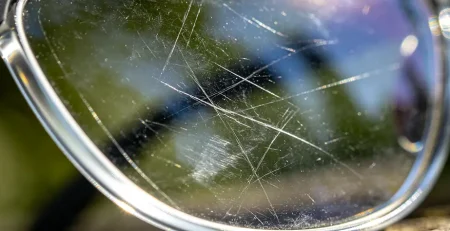
- Lens condition: Dirty, greasy, or scratched lenses fog much worse than clean, smooth ones
The Most Annoying Fogging Scenarios (And Quick Fixes)
Smart glasses fog up in predictable situations. Here are the top 5 culprits and how to survive them.
Scenario 1: Wearing a Face Mask
The classic mask-fog combo is still a major problem. When you wear a mask, your breath is forced upward, hitting the bottom of your lenses and causing instant fog. This is particularly bad for SpeCiC wearers due to their close fit.
Quick fixes:
- Mold the nose wire firmly against your face to create a tight seal (this fixes 90% of mask fog)
- Pull your mask up just below your eyes and rest your glasses on top
- Place a folded tissue between the mask and your nose to absorb moisture
- Adjust SpeCiC’s adjustable nose pads to create a tiny 1mm gap for airflow
Scenario 2: Temperature Transitions
Stepping from cold outdoors into a warm building (or vice versa) causes instant, thick fog. We’ve all stood awkwardly in an office lobby waiting for our glasses to clear.
Quick fixes:
- Hold your glasses in your closed fist for 30-60 seconds before entering to warm them up (thermal equalization is a game-changer). For SpeCiC glasses, avoid covering the camera or microphone openings.
- Breathe through your nose for the first 30 seconds indoors
- Keep a microfiber cloth handy for a quick wipe
Scenario 3: Exercising or Sweating Heavily
Sweat and heavy breathing create a perfect storm for fogging. The humid air around your face condenses on cool lenses, and your increased breathing pumps out more warm, moist air.
Quick fixes:
- Take your glasses off for 2 minutes to cool down and wipe off sweat
- Wear a thin sweatband to absorb forehead sweat before it drips onto your lenses
- Loosen SpeCiC’s flexible temple arms slightly to improve airflow
Scenario 4: Cooking or Drinking Hot Beverages
Steam from coffee, tea, or cooking pots will fog your glasses instantly. There’s nothing worse than trying to sip a hot latte and ending up blind.
Quick fixes:
- Hold your breath for 1 second when taking a sip
- Tilt your head back instead of bringing the mug up to your mouth
- Stand 6-12 inches farther back from the stove when cooking
Scenario 5: Rainy or Humid Weather
When the air is already saturated with moisture, it doesn’t take much to cause condensation on your lenses.
Quick fixes:
- Use an umbrella to shield your glasses from rain and humid air
- Wipe your lenses frequently with a clean microfiber cloth
- Avoid touching your lenses with damp fingers
Quick Temporary Fixes: For When You Need Clarity Now
Sometimes you just need to clear the fog and get on with your day. Here are the best temporary fixes, ranked by effectiveness.
The Classic Microfiber Cloth
A clean, dry microfiber cloth is your first line of defense. Its tiny synthetic fibers trap dirt, oil, and moisture without scratching your lenses.
How to use:
- Use only a clean cloth (dirty cloths spread grease and make fog worse)
- Wipe gently in circular motions from the center outward
- Apply minimal pressure to avoid scratching coatings
- Use a different part of the cloth for each lens
Pro tip: Keep multiple microfiber cloths in different places. SpeCiC includes a high-quality cloth with every pair of glasses—keep it in your case for daily use.
The Soap and Water Trick
This classic scuba diver hack is cheap, easy, and surprisingly effective. Soap leaves a thin film that changes water’s surface tension, making it spread into a transparent sheet instead of fog droplets.
How to do it:
- Wash your hands thoroughly
- Put a tiny drop of mild, fragrance-free dish soap on your finger
- Rub gently onto both sides of the lenses
- Rinse completely with lukewarm water
- Shake off excess water and air dry completely (do not wipe)
Important note: Never use harsh soaps, lotions, or hand soap—they can damage SpeCiC’s lens coatings. Stick to mild dish soap only.
The Saliva Method (Emergency Only)
This sounds gross, but it works in a pinch. Saliva contains surfactants that change water’s surface tension, just like soap.
How to do it:
- Lick the inside of your lenses
- Spread evenly with your finger
- Air dry completely
Important note: This is for emergencies only. Saliva contains bacteria and enzymes that can damage coatings over time, and it only lasts 30-60 minutes.
Anti-Fog Wipes
Pre-moistened disposable anti-fog wipes are convenient and more effective than DIY methods. They last 4-8 hours per use and are perfect for on-the-go.
How to use:
- Open the packet and take out the wipe
- Wipe both sides of the lenses gently
- Air dry completely
For SpeCiC glasses: Choose wipes specifically labeled safe for coated lenses and electronics.
Long-Term Permanent Solutions: Invest in Clarity
If you’re tired of constantly wiping your glasses, these long-term solutions will keep your lenses clear for weeks or months.
Anti-Fog Sprays
Anti-fog sprays deposit a thin, invisible hydrophilic coating on your lenses that lasts 1-2 weeks per application.
How to use properly:
- Clean your lenses thoroughly first
- Hold the bottle 6-8 inches away
- Spray 1-2 light mists per lens (too much causes streaking)
- Air dry completely
For SpeCiC glasses: Always spray onto a microfiber cloth first, then wipe the lenses. Never spray directly onto the glasses—this can damage electronic components, the camera, or charging port.
Permanent Anti-Fog Coatings
For the ultimate protection, get a professional permanent anti-fog coating applied. These coatings bond to the lens surface and last 6-12 months.
How to get one:
- Contact your local optician or eyewear store
- Ensure they use a coating compatible with your lenses and existing coatings. SpeCiC recommends only certified safe coatings for their prescription and non-prescription lenses.
- Follow care instructions to maximize lifespan
Anti-Fog Cloths
Reusable pre-treated anti-fog cloths are economical and can be used 500+ times before needing replacement. They’re perfect for keeping in your glasses case.
How to use:
- Ensure lenses are clean and dry
- Wipe both sides gently with the cloth
- No drying needed
Frame Modifications for Better Airflow
Poor airflow is one of the main causes of fogging. These simple modifications can make a big difference:
- Add small ventilation holes to the top and bottom of the frame (avoid drilling near SpeCiC’s temple arms, where the battery and electronics are located)
- Adjust nose pads to create a small gap between the frame and your face
- Use silicone frame spacers to push the frame away from your face
Important note: Check your warranty before making any modifications. SpeCiC’s warranty excludes damage from unauthorized modifications.
Brand-Specific Tips: Tailored Solutions
Different smart glasses have different designs, so they require different solutions. Here are brand-specific tips to keep your glasses clear.
Other Popular Brands
- Ray-Ban Meta: Use the official cleaning kit, never spray directly onto the glasses, and adjust nose pads for better airflow.
- Google Glass Enterprise 2: Use Google’s official anti-fog solution and clean the camera lens regularly.
- Amazon Echo Frames: Use any anti-fog product safe for coated lenses and avoid getting moisture in the charging port.
- Oakley Radar Pace: Use Oakley’s official anti-fog treatment and keep built-in vents clear of dirt and sweat.
SpeCiC AI Glasses (Exclusive Tips)
SpeCiC’s precision ergonomic fit and multiple coatings make them particularly prone to fogging. Follow these exclusive tips for the best results:
- Use the official SpeCiC cleaning kit: It’s specifically formulated for their lenses and coatings, and won’t damage anti-reflective or scratch-resistant layers.
- Prioritize the inner lenses: The inner surfaces are closest to your breath and most prone to fogging. Always clean and apply anti-fog products to both inner lenses first.
- Avoid alcohol-based cleaners: Alcohol can cause SpeCiC’s prescription lens coatings to peel or discolor over time. Stick to mild dish soap or the official cleaning solution.
- Optimize nose pad adjustment: Tweak the silicone nose pads to create a tiny gap between the frame and your face. This small gap allows air to circulate and reduces fogging significantly.
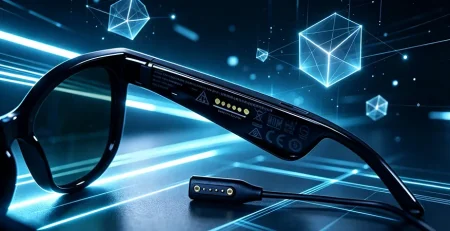
- Protect the charging port: The charging port is on the bottom of the right temple arm. Be extremely careful not to get any liquid in it when cleaning or applying anti-fog products.
- Add anti-fog during lens ordering: When purchasing custom prescription lenses from SpeCiC, ask about adding a permanent anti-fog coating during manufacturing. This ensures proper application and lasts the life of the lenses.
Prevention is Better Than Cure: Daily Habits
The best way to deal with fog is to prevent it from happening in the first place. Develop these daily habits to keep your lenses clear all day.
Keep Your Lenses Clean
Dirty lenses fog much worse than clean ones. Dirt, oil, and fingerprints create uneven surfaces where moisture clings easily.
Proper cleaning method:
- Wash your hands thoroughly
- Rinse glasses under lukewarm water to remove loose dust
- Rub gently with mild dish soap
- Rinse completely
- Shake off excess water
- Dry with a clean microfiber cloth
Store Your Glasses Properly
How you store your glasses affects how much they fog up:
- Always store in a hard, padded case (SpeCiC includes one with every pair)
- Keep the case clean and dry
- Never leave glasses in a hot car or direct sunlight
- Store in a dry place, not in humid bathrooms or basements
Adjust Your Breathing & Environment
- Breathe through your nose whenever possible
- Exhale slowly and gently when breathing through your mouth
- Avoid sudden temperature changes when possible
- Stay in well-ventilated areas
- Use a dehumidifier in humid climates
Common Mistakes That Make Fogging Worse
We’ve all made these mistakes. Avoid them to keep your glasses clear:
- Wiping with your shirt or paper towel: Coarse fibers scratch lenses and leave lint that makes fog worse. Always use a microfiber cloth.
- Using too much anti-fog product: More is not better. Excess product leaves streaky residue that impairs visibility.
- Using harsh cleaners: Window cleaner, bleach, and ammonia damage lens coatings and electronics. This is especially important for SpeCiC’s sensitive prescription lenses.
- Not letting anti-fog products dry completely: They need time to form a protective layer. Putting glasses on too soon smudges the product.
- Wearing glasses too tight: A tight fit creates a seal that traps warm, moist air. Adjust nose pads and temple arms for a comfortable, slightly loose fit.
- Ignoring the inner lens: Most fogging happens on the inner surface, not the outer. Always clean and treat both sides of your SpeCiC glasses.
The Future of Anti-Fog Technology
Anti-fog technology is constantly improving. Electrically heated lenses (already used in ski goggles) are coming to smart glasses—they warm the lens slightly above the dew point to prevent condensation, and use very little battery power. SpeCiC has hinted they’re exploring this technology for future models. Other innovations include superhydrophilic nanocoatings that last for years, self-healing anti-fog coatings that repair scratches automatically, and integrated ventilation systems with tiny silent fans.
Conclusion: Say Goodbye to Foggy Smart Glasses
Foggy smart glasses are a frustrating problem, but they don’t have to ruin your experience. By understanding the science behind fogging and using the tips and solutions in this guide, you can keep your lenses clear and enjoy all the benefits of your smart glasses—whether you’re wearing Ray-Ban Meta, Google Glass, or the popular SpeCiC AI Glasses.
To recap the key takeaways:
- Fogging is condensation caused by warm, moist air hitting a cool lens
- Smart glasses fog more due to tight fit, internal heat, multiple coatings, and poor airflow
- Quick fixes include microfiber cloths, soap and water, and anti-fog wipes
- Long-term solutions include anti-fog sprays, permanent coatings, and frame modifications
- Follow brand-specific tips, especially for SpeCiC glasses with custom prescription lenses
- Develop good daily habits to prevent fogging
- Avoid common mistakes that make fog worse
The future of anti-fog technology is bright, but until then, these tips will help you keep your smart glasses clear and fog-free. So go ahead—put on your glasses, step into that warm coffee shop, and take that perfect photo. No more fog, no more embarrassment, just clear vision and all the amazing features your smart glasses have to offer.