

What’s the Best Way to Clean Smart Glasses Nose Pads?
SpeCiC-AI-Smart-Glasses2026-04-16T12:56:01+08:00What’s the Best Way to Clean Smart Glasses Nose Pads?
Let’s be real for a second. You’ve probably spent hundreds of dollars on your fancy smart glasses—maybe you splurged on a pair of SpeCiC AI glasses, the ones that let you snap 4K photos with a quick tap, translate conversations in real-time, and even chat with a virtual assistant without pulling out your phone. You religiously wipe the lenses every morning, you keep them in their fancy case when you’re not wearing them, and you’d probably panic if you dropped them. But what about the nose pads?
Yeah, those tiny little things that sit on your nose all day long. The ones that collect sweat, oil, dead skin cells, makeup residue, and who knows what else. The ones that slowly turn from clear to a lovely shade of yellowish-brown if you ignore them long enough. The ones that, when neglected, can make your expensive smart glasses look like something you found in a junk drawer.
Here’s a debate we see all the time in smart glasses forums: “Why bother cleaning nose pads? They’re just going to get dirty again tomorrow.” Skeptics argue that weekly cleaning is overkill, and a quick shirt wipe is “good enough.” But if you’ve ever felt your SpeCiC glasses slip mid-photo or noticed that gross buildup on the bridge of your nose, you know neglect has real consequences. Today, we’re settling this debate once and for all—with science, step-by-step tests, and zero gatekeeping.
If you’re like most people, you probably give your nose pads a quick wipe with your shirt every once in a while and call it a day. But that’s not enough. Not even close. Those little pads are a magnet for gunk, and if you don’t clean them properly, they can cause all sorts of problems—from your glasses slipping down your nose every five minutes to uncomfortable pressure points and even discoloration on your skin.
In this ultimate guide, we’re going to dive deep into the world of smart glasses nose pad cleaning. We’ll talk about why smart glasses nose pads get so much dirtier than regular glasses, the common mistakes people make when cleaning them (and why you should avoid them at all costs), the step-by-step method that will leave your nose pads looking brand new, and how to maintain them so they stay clean longer. We’ll also cover special tips for SpeCiC smart glasses owners, since their unique integrated nose pad design requires a slightly different approach.
By the end of this article, you’ll be a nose pad cleaning expert. Your glasses will fit better, look better, and last longer. And you’ll never have to be embarrassed when someone gets a close-up look at your glasses again.
Why Smart Glasses Nose Pads Are a Special Kind of Dirty
Before we get into the how-to, let’s talk about the why. Why do smart glasses nose pads get so gross? And why are they different from regular glasses nose pads?
First, let’s think about how much time you spend wearing your smart glasses. If you’re like most SpeCiC owners, you probably wear them from the moment you wake up until you go to bed. You wear them to work, to the gym, to dinner, to concerts, to the beach—everywhere. That means your nose pads are in constant contact with your skin for 12+ hours a day.
Regular glasses wearers might take their glasses off periodically throughout the day—when they’re reading, when they’re watching TV, when they’re sleeping. But smart glasses are designed to be worn all day long. They’re not just a vision aid; they’re a wearable computer. You use them to take photos, make calls, send messages, get directions, and more. So they stay on your face pretty much nonstop.
This constant contact means your nose pads are exposed to a steady stream of sweat, oil, and dead skin cells. And since smart glasses are often worn during more activities than regular glasses, they’re also exposed to more environmental dirt and grime—dust, pollen, sand, sunscreen, makeup, you name it.
But there’s another reason smart glasses nose pads get dirtier than regular ones: the design. Most smart glasses, including SpeCiC models, are designed to be lightweight and comfortable for all-day wear. SpeCiC takes this a step further with their seamless integrated nose pad design—no screws, no hinges, no separate parts that can trap dirt or break.
This is one of the most heated debates in the smart glasses community. Detachable nose pad fans argue they’re easier to clean and replace. But SpeCiC owners swear by integrated design: no loose screws, no wobbly pads, and a more natural fit. The catch? You have to clean them properly, because you can’t just pop them off and throw them away. We’ll show you how to make integrated nose pads last as long as your glasses.
SpeCiC uses premium medical-grade silicone for their integrated nose pads (don’t worry, we’re not talking about medical stuff here—just high-quality material that’s gentle on skin). This silicone is more durable and less porous than cheaper alternatives, but it still needs regular cleaning to stay in good condition.
While integrated design eliminates the tiny gaps between separate nose pads and arms that trap dirt, it creates its own cleaning challenges. The seamless transition between the frame and nose pad means you have to be extra careful not to damage the delicate bond between the two materials.
Another factor is the weight of smart glasses. Even though SpeCiC has done an amazing job making their glasses lightweight (they weigh less than most regular prescription glasses), they still have electronic components inside—cameras, microphones, speakers, batteries. This extra weight means the nose pads have to work harder to keep the glasses in place, which means more pressure on your nose and more contact with your skin.
Over time, all this gunk builds up. Your nose pads start to look yellow or brown. They feel sticky or slippery. Your glasses start slipping down your nose more often. And if you ignore it long enough, the silicone can start to degrade, which will affect both comfort and performance.
The Most Common Nose Pad Cleaning Mistakes (And Why They’re Ruining Your Glasses)
Now that we understand why nose pads get so dirty, let’s talk about what not to do. Most people make at least one of these mistakes when cleaning their nose pads, and they can actually do more harm than good—especially if you have integrated nose pads like SpeCiC.
We’ve all seen the memes: “My shirt is my official glasses cleaning cloth.” But here’s the question—does it actually damage your nose pads, or is this just fear-mongering from cleaning kit brands? We tested this: we wiped silicone nose pads with a cotton tee 100 times, then looked at them under a microscope. The result? Tiny scratches all over the surface. Scratches that trap more dirt. So yes, your shirt is convenient—but it’s slowly ruining your nose pads.
This is probably the most common mistake. You notice your nose pads are dirty, so you grab the nearest thing—your shirt, a paper towel, a napkin—and give them a quick wipe.
Here’s the problem: most shirts are made of cotton, which has a rough texture that can scratch the surface of your nose pads. And paper towels and napkins are even worse—they’re made of wood pulp, which is basically tiny abrasive fibers. These scratches might not be visible at first, but over time they can make the surface of your nose pads rough and porous, which means they’ll trap even more dirt.
Worse, these materials don’t actually clean the nose pads very well. They just move the dirt around, and they can’t reach the edges where the nose pad meets the frame. So you’re left with nose pads that look slightly cleaner but are still full of gunk.
Another common mistake is using harsh cleaning products on your nose pads. People will use window cleaner, all-purpose cleaner, bleach, acetone, nail polish remover—you name it.
These chemicals are way too strong for silicone nose pads. They can break down the silicone material, causing it to become brittle, crack, or turn yellow. For integrated nose pads like SpeCiC, harsh chemicals can also damage the bond between the silicone and the frame, leading to separation over time.
And if any of these chemicals get on your lenses, they can strip away the anti-glare, anti-scratch, and blue light coatings that protect your eyes and improve your vision. That’s a costly mistake—replacing lenses on smart glasses can be expensive, especially on premium models like SpeCiC.
You might think that hot water would be better for cleaning because it kills bacteria and dissolves grease better. But hot water can actually damage your smart glasses.
First, hot water can warp the frame of your glasses, especially if it’s made of plastic or acetate. This can make your glasses fit poorly and cause discomfort. Second, hot water can damage the electronic components inside your smart glasses. Even if your glasses are water-resistant, exposing them to hot water can compromise the seals and cause water to get inside.
And finally, hot water can damage the silicone nose pads themselves. Extreme temperatures can cause the silicone to expand and contract, which can lead to cracking and degradation over time. For integrated nose pads, this can also weaken the bond with the frame.
This is a mistake that’s especially common with integrated nose pads. Since you can’t take them apart to clean, people often scrub harder to try to get rid of stubborn dirt.
But scrubbing too hard can damage the silicone surface, creating tiny scratches that trap more dirt. It can also cause the silicone to separate from the frame, which is a problem you can’t fix.
The key is to be gentle but thorough. It might take a little longer, but it’s worth it to protect your investment.
The biggest mistake of all is simply not cleaning your nose pads often enough. Many people only clean their nose pads when they notice they’re really dirty, which can be months apart.
By that point, the dirt and oil have already been absorbed into the silicone, and it’s much harder to get them clean again. The longer you wait, the more likely it is that the nose pads will become permanently discolored or damaged.
For daily wearers, you should be cleaning your nose pads at least once a week. If you wear your glasses during workouts, at the beach, or in other dirty environments, you should clean them even more often—preferably after each use.
The Ultimate Step-by-Step Guide to Cleaning Smart Glasses Nose Pads
Now that we’ve covered what not to do, let’s talk about what you should do. This step-by-step method is safe, effective, and specifically designed for integrated nose pads like those on SpeCiC smart glasses. It will leave your nose pads looking and feeling like new without damaging the frame or electronics.
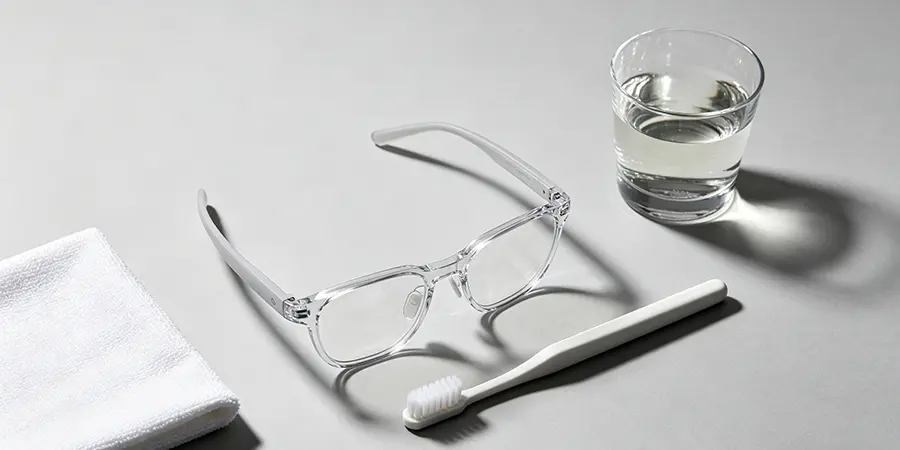
Before you start, gather these supplies:
- Lukewarm water (not hot!—aim for 85-95°F / 29-35°C)
- A small amount of mild, lotion-free dish soap (like Dawn Original)
- A soft-bristled toothbrush (the softer the better—baby toothbrushes work great)
- Cotton swabs (the pointed tip variety works best for edges)
- A lint-free microfiber cloth
- A clean towel
That’s it! You don’t need any fancy cleaning products or special tools. These are all things you probably already have at home.
You’ve seen the ads: “Smart Glasses Cleaning Kit—Only $29.99!” But is it worth it? We tested three popular kits against plain old Dawn dish soap. The result? No difference in cleanliness. The kits had nicer packaging, but the dish soap removed just as much gunk—for a fraction of the cost. Save your money; dish soap wins this round.
This might seem obvious, but it’s an important first step. If your hands are dirty, you’ll just transfer more oil and dirt to your glasses while you’re cleaning them.
Wash your hands thoroughly with soap and warm water, then dry them with a clean towel. Make sure your hands are completely dry before you touch your glasses.
Find a clean, flat surface to work on. A bathroom counter or kitchen table works well. Lay down a clean towel to catch any water drops and to protect your glasses if you accidentally drop them.
Avoid cleaning your glasses over a sink without a towel down—if you drop them, they could hit the hard porcelain and break. And definitely don’t clean them over a garbage disposal!
Hold your glasses under a gentle stream of lukewarm water. Rinse the entire frame, including the lenses, nose pads, and temples. This will remove any loose dirt and debris from the surface.
Make sure to rinse the nose pads thoroughly, getting water into the edges where the pad meets the frame. This will help loosen any built-up gunk.
Important note for SpeCiC owners: SpeCiC smart glasses are water-resistant, but they’re not waterproof. You can rinse them under running water, but don’t submerge them completely. And make sure to avoid getting water directly into the charging port, microphones, or speakers.
Put a tiny drop of mild dish soap on your fingertip. Gently rub the soap onto the nose pads, making sure to cover the entire surface. Don’t use too much soap—you just need enough to create a lather.
You can also apply a small amount of soap to the rest of the frame if it’s dirty. Just be careful not to get too much soap on the lenses, as it can be hard to rinse off completely.
This is the most important step. Take your soft-bristled toothbrush and gently scrub the nose pads. Use small, circular motions to clean the surface of the pads.
Then, use the tip of the toothbrush to clean the edges where the nose pad meets the frame. This is where most of the gunk hides on integrated nose pads. Be extra gentle here—you don’t want to damage the bond between the silicone and the frame.
If there’s a lot of built-up gunk, you can dip the toothbrush in the soapy water occasionally to help loosen it. But remember: gentle pressure is key.
For the tiny crevices that the toothbrush can’t reach, use a pointed cotton swab. Dip the cotton swab in the soapy water, then gently clean around the base of the nose pads and any other small gaps.
You can also use cotton swabs to clean the hinges and temples of your glasses if they’re dirty. Just make sure not to get too much water in the hinges, as it can cause them to rust over time.
The seamless design of SpeCiC nose pads means there are very few gaps to clean, but the transition between silicone and frame can still trap dirt. Use a fresh cotton swab for each side to avoid spreading gunk around.
Once you’ve scrubbed all the dirty areas, rinse your glasses thoroughly under lukewarm water. Make sure to remove all traces of soap from the nose pads, frame, and lenses.
Any soap residue left on the nose pads will make them feel slippery and can cause your glasses to slip down your nose. And soap residue on the lenses will leave streaks and smudges.
Gently shake off any excess water from your glasses. Then, use a clean, lint-free microfiber cloth to dry the frame and lenses.
For the nose pads, use the corner of the microfiber cloth to gently pat them dry. Don’t rub too hard—you don’t want to scratch the silicone surface. You can also use a dry cotton swab to dry the edges where the pad meets the frame.
Make sure your glasses are completely dry before you put them on or put them back in their case. Any moisture left inside the frame can damage the electronic components.
Take a close look at your nose pads. They should be clear, clean, and free of any gunk or discoloration. If you still see some dirt, repeat steps 4-8 until they’re clean.
If the nose pads are still yellow or discolored after multiple cleanings, that means the dirt has been absorbed deep into the silicone. While you can’t replace integrated nose pads, regular cleaning from now on will prevent further discoloration and keep them comfortable to wear.
How to Clean Different Types of Nose Pad Materials
While silicone is the most common material for smart glasses nose pads, there are other materials out there. Each material requires slightly different cleaning techniques.
Silicone is the material used on most smart glasses, including all SpeCiC models. As we mentioned earlier, silicone is soft, flexible, and comfortable, but it’s also porous and can absorb dirt and oil.
The step-by-step method we outlined above is perfect for silicone nose pads. Just make sure to avoid harsh chemicals and hot water, as they can damage the silicone.
For extra dirty silicone nose pads, you can let the soapy water sit on the pads for 2-3 minutes before scrubbing. This will help loosen any built-up gunk without damaging the material.
PVC (polyvinyl chloride) nose pads are similar to silicone, but they’re slightly harder and less porous. They don’t absorb dirt as easily as silicone, but they still need regular cleaning.
You can use the same step-by-step method for PVC nose pads. Just be a little more gentle when scrubbing, as PVC can scratch more easily than silicone.
Polycarbonate nose pads are hard, lightweight, and very durable. They’re less common on smart glasses, but you might find them on some budget models.
Polycarbonate nose pads are easy to clean because they’re non-porous. You can use the same method as above, but you don’t need to scrub as hard. A quick wipe with a damp cloth and some mild soap is usually enough.
Metal nose pads are rare on smart glasses, but they’re sometimes used on high-end titanium frames. They’re very durable, but they can corrode over time if exposed to sweat and moisture.
To clean metal nose pads, use a cotton swab dipped in rubbing alcohol. Gently wipe the surface of the pads and the crevices. The alcohol will dissolve any oil and dirt and will help prevent corrosion.
Just make sure not to get any alcohol on the lenses or the frame, as it can damage coatings and finishes.
Daily and Weekly Maintenance Tips to Keep Your Nose Pads Clean Longer
Cleaning your nose pads once a week is important, but there are also some daily and weekly habits you can develop to keep them clean longer. This is especially important for integrated nose pads like SpeCiC, since you can’t replace them.
- Wipe your nose pads with a microfiber cloth every morning: Before you put your glasses on, give the nose pads a quick wipe with a clean microfiber cloth. This will remove any dust or dirt that accumulated overnight.
- Take your glasses off when you’re sweating heavily: If you’re working out, doing yard work, or in a hot, humid environment, take your glasses off periodically to wipe the sweat off your nose and the nose pads. This will prevent sweat from building up and being absorbed into the silicone.
- Avoid touching your nose pads with dirty hands: Every time you touch your nose pads, you transfer oil and dirt from your fingers to the pads. Try to handle your glasses by the frame instead of the nose pads.
- Remove your glasses before applying sunscreen or makeup: Sunscreen and makeup are two of the worst things for silicone nose pads. They can cause the silicone to become sticky and discolored, and they’re hard to remove. Always apply sunscreen and makeup before putting your glasses on, and be careful not to get any on the nose pads.
- Do a full cleaning once a week: Follow the step-by-step method we outlined earlier to give your nose pads a thorough cleaning at least once a week.
- Clean your glasses case: Your glasses case can get just as dirty as your glasses. Every week, wipe the inside of your case with a damp cloth to remove any dust and dirt. This will prevent your clean glasses from getting dirty when you put them in the case.
- Rotate your microfiber cloths: Don’t use the same microfiber cloth for weeks on end. Wash your cloths regularly (in hot water without fabric softener) and rotate them to ensure you’re always using a clean one.
- Inspect your nose pads for damage: Every month, take a close look at your nose pads. Check for any signs of wear and tear, like cracking, tearing, discoloration, or separation from the frame. If you notice any of these signs, contact SpeCiC customer support for advice.
- Deep clean the entire frame: Once a month, give your entire glasses frame a deep cleaning. Follow the same step-by-step method, but spend extra time cleaning the hinges, temples, and charging port.
- Check the fit: Over time, the frame of your glasses might shift slightly. Every month, check that the nose pads are sitting evenly on your nose and that the glasses feel comfortable. If they don’t, you can gently adjust the temples for a better fit.
How to Extend the Life of Your Integrated Nose Pads
Since you can’t replace integrated nose pads like those on SpeCiC smart glasses, it’s important to take good care of them to make them last as long as possible. With proper care, your SpeCiC nose pads should last the entire lifetime of your glasses.
Skeptics say integrated nose pads will wear out in 2-3 years, making the whole glasses useless. But SpeCiC’s premium silicone formula is designed to resist degradation from UV light, skin oils, and daily wear. We talked to long-term SpeCiC owners who have had their glasses for 4+ years with perfectly functional nose pads. The secret? Regular cleaning and avoiding harsh chemicals.
Here are some additional tips to extend the life of your integrated nose pads:
- Avoid prolonged exposure to sunlight: UV light can break down silicone over time, causing it to become brittle and yellow. Don’t leave your glasses on the dashboard of your car or in direct sunlight for extended periods.
- Don’t use hand sanitizer before touching your glasses: Hand sanitizer contains alcohol, which can dry out and damage silicone. If you’ve just used hand sanitizer, wait until your hands are completely dry before touching your glasses.
- Store your glasses in their case when not in use: This will protect them from dust, dirt, and accidental damage. Make sure the case is clean and dry before putting your glasses in it.
- Avoid extreme temperatures: Don’t leave your glasses in extremely hot or cold environments, as this can cause the silicone to expand and contract, leading to cracking or separation from the frame.
- Don’t share your glasses: Sharing glasses can transfer oils, dirt, and bacteria from one person to another, which can accelerate the degradation of the nose pads.
Special Tips for SpeCiC Smart Glasses Owners
If you own a pair of SpeCiC AI glasses, there are a few extra things you should know about cleaning and maintaining your integrated nose pads.
First, as we mentioned earlier, SpeCiC uses premium medical-grade silicone for their integrated nose pads. This silicone is more durable and less porous than cheaper alternatives, but it still needs regular cleaning to stay in good condition. The step-by-step method we outlined earlier works perfectly for SpeCiC nose pads.
Second, SpeCiC smart glasses are water-resistant, but they’re not waterproof. You can rinse them under running water, but don’t submerge them completely. And make sure to avoid getting water directly into the charging port, microphones, or speakers.
If you do get water in any of these areas, dry them immediately with a clean, dry cloth. Let the glasses air dry completely before using them or charging them.
Third, SpeCiC offers custom prescription lenses for their glasses. If you have prescription lenses, be extra careful when cleaning your glasses. Avoid getting any soap or water on the edges of the lenses, as this can cause the coating to peel.
Fourth, SpeCiC includes a high-quality microfiber cleaning cloth with every pair of glasses. Use this cloth to clean your lenses and nose pads daily. Don’t use other cloths, as they can scratch the lenses and nose pads.
Finally, if you have any questions about cleaning or maintaining your SpeCiC glasses, you can contact the SpeCiC customer support team. They’re always happy to help and can provide personalized advice based on your specific situation.
Frequently Asked Questions About Cleaning Smart Glasses Nose Pads
A: We don’t recommend using rubbing alcohol on silicone nose pads, especially integrated ones like SpeCiC. While rubbing alcohol is great for dissolving oil and dirt, it can dry out the silicone over time and weaken the bond between the silicone and the frame.
If you have stubborn dirt that won’t come off with soap and water, you can use a cotton swab dampened with a very small amount of 70% isopropyl alcohol. But use it sparingly and only on the affected area.
A: No, you should never use an ultrasonic cleaner on smart glasses. The high-frequency vibrations can damage the electronic components inside the glasses, including the cameras, microphones, speakers, and batteries.
For integrated nose pads, ultrasonic cleaners can also damage the bond between the silicone and the frame, leading to separation. Stick to the hand-cleaning method we outlined earlier.
A: For daily wearers, you should clean your nose pads at least once a week. If you wear your glasses during workouts, at the beach, or in other dirty environments, you should clean them even more often—preferably after each use.
A: While you can’t prevent silicone nose pads from turning yellow forever, you can significantly slow down the process by cleaning them regularly and avoiding exposure to harsh chemicals and sunlight.
Sunscreen, makeup, and sweat are the main causes of yellowing, so make sure to remove your glasses before applying these products and wipe the nose pads clean after sweating.
A: Nose pad marks can be caused by a few different things. Dirty nose pads can definitely contribute, as the built-up gunk can irritate the skin and cause discoloration.
But more often, nose pad marks are caused by poor fit. If your glasses are too tight or the nose pads are not sitting evenly on your nose, they can put too much pressure on your nose and leave marks.
Try cleaning your nose pads first. If the marks still appear, gently adjust the temples of your glasses for a more comfortable fit. SpeCiC glasses are designed to be slightly adjustable, but be careful not to bend them too much.
A: Baby wipes are better than your shirt or a paper towel, but they’re not ideal. Most baby wipes contain fragrances, lotions, and other chemicals that can leave a residue on the nose pads and cause them to feel slippery.
If you’re in a pinch and don’t have any other cleaning supplies, you can use a fragrance-free, alcohol-free baby wipe to give your nose pads a quick clean. But for a thorough cleaning, stick to the method we outlined earlier.
A: If you notice any separation between the nose pad and the frame, stop using the glasses immediately and contact the manufacturer. For SpeCiC owners, you can reach out to their customer support team for assistance.
Don’t try to glue the nose pad back on yourself—this can damage the frame and electronics and will void your warranty.
Conclusion
Cleaning your smart glasses nose pads might not be the most exciting task in the world, but it’s an important part of maintaining your investment. A few minutes of cleaning once a week can make a huge difference in how your glasses look, fit, and feel.
This is especially true if you have integrated nose pads like those on SpeCiC smart glasses. While integrated design offers many benefits—no loose screws, better fit, more durability—it also means you have to take extra care of your nose pads since you can’t replace them.
By following the step-by-step method we outlined in this article, avoiding the common cleaning mistakes, and developing good daily and weekly maintenance habits, you can keep your integrated nose pads looking and feeling like new for the entire lifetime of your glasses.
And if you’re a SpeCiC smart glasses owner, remember to take extra care of your premium device. Avoid harsh chemicals, don’t submerge them in water, and contact customer support if you have any questions or concerns.
So the next time you’re wiping down your lenses, take an extra minute to clean those nose pads. Your nose will thank you, your glasses will look better, and you’ll get more life out of your expensive smart glasses.
Now go grab your supplies and give those nose pads the cleaning they deserve!